
Summer sports activity across Florida leads to frequent emergency room visits for injuries ranging from fractures to concussions and ligament damage. While many patients receive appropriate care, some cases involve diagnostic errors, delayed treatment, or premature discharge that can worsen outcomes. Understanding how medical negligence may occur in emergency settings helps patients and families recognize warning signs and take informed next steps. This content explains common risks, how ER decision-making works, and when legal review may be appropriate under Florida law.

















Summer sports injuries and emergency care demands in Florida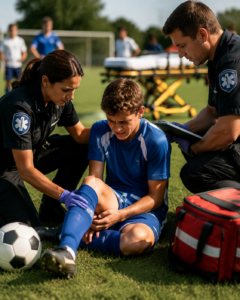
Faiella & Gulden, P.A., a medical malpractice law firm based in Winter Park, Florida, regularly evaluates cases involving emergency care following sports-related injuries. During summer months, emergency departments throughout Orlando and surrounding areas experience a noticeable increase in patients injured during organized sports, recreational activities, and school athletic programs. The combination of high temperatures, intense physical activity, and crowded sports schedules contributes to a steady stream of trauma cases that require rapid assessment and treatment.
Florida’s climate allows year-round athletic participation, which increases cumulative injury risk. Unlike seasonal states, athletes in Florida often train and compete continuously, meaning overuse injuries and acute trauma can overlap. Emergency rooms must therefore distinguish between routine sprains and more serious conditions such as fractures, internal bleeding, or neurological injury.
Understanding how sports injuries present in emergency settings
Sports injuries rarely present in a uniform way. Two patients with similar trauma may describe different levels of pain, swelling, or mobility limitation. Emergency physicians must quickly determine whether symptoms suggest a minor soft tissue injury or a more serious underlying condition.
Common sports-related injuries seen in Florida emergency departments include:
- Ankle and knee ligament tears from sudden directional changes
- Shoulder dislocations from falls or contact sports
- Fractures that may not be immediately visible without imaging
- Concussions or head trauma with delayed symptom onset
- Heat-related illness during outdoor training or competition
What complicates diagnosis is that early symptoms may not reflect the severity of the injury. A hairline fracture, for example, may initially resemble a simple sprain. Similarly, concussions can present subtly before escalating into more serious neurological symptoms.
Elizabeth has represented plaintiffs in numerous jury trials since 1976. A member of the exclusive Inner Circle of Advocates, Elizabeth is a legal powerhouse who has been given numerous awards and honors--and she's not done yet. The son of a doctor and an attorney, Peter has a unique and in-depth understanding of all the complicated medical and legal issues involved in a malpractice claim. He has won many 7-figure verdicts for clients since joining his mother's firm in 2004. Allison C. McMillen is proud to be a second-generation plaintiffs’ attorney representing victims of medical malpractice, having practiced with her father, attorney Scott R. McMillen, for over a decade before joining the team at Faiella & Gulden, P.A.
Elizabeth H. Faiella

Peter J. "Tres" Gulden, III

Allison C. McMillen
Where emergency room errors can occur in sports injury cases
Emergency physicians operate under significant time pressure, often treating multiple critical patients simultaneously. While most care is appropriate, certain breakdowns in the diagnostic process can lead to adverse outcomes.
Examples of potential concerns include:
- Failure to order appropriate imaging when symptoms suggest structural injury
- Misinterpretation of X-rays or scans
- Discharging a patient without adequate observation after head trauma
- Incomplete neurological assessments following concussion symptoms
- Overreliance on initial patient presentation without follow-up evaluation
These situations do not automatically indicate negligence. However, when a provider fails to meet the accepted standard of care and a patient is harmed as a result, legal questions may arise under Florida medical malpractice law. More information about these standards can be found here:
https://faiellagulden.com/blog/floridas-medical-malpractice-laws-what-every-victim-needs-to-know/
Why sports injuries are particularly challenging in emergency care
Emergency departments are designed to prioritize life-threatening conditions first. In this environment, sports injuries may be categorized as lower urgency unless clear warning signs are present. This triage system is essential for managing patient flow but can sometimes lead to underestimation of injuries that later prove more serious.
Several factors contribute to diagnostic challenges:
- Patients may underreport symptoms to avoid being removed from play
- Adrenaline can mask pain levels immediately after injury
- Swelling and inflammation may increase after discharge
- Some injuries require time to fully reveal their severity
These challenges highlight why follow-up care and careful discharge instructions are critical parts of emergency treatment.

Shannon McLin
Connie Ashley
Pediatric and adolescent athletes face elevated risk
Younger athletes present additional diagnostic challenges. Children and teenagers may struggle to accurately describe pain or neurological symptoms. They may also continue playing despite injury, leading to delayed treatment.
In emergency settings, pediatric sports injuries require careful evaluation because:
- Growth plates in bones are more vulnerable to long-term damage
- Concussion symptoms may be subtle or delayed
- Communication barriers may affect symptom reporting
- Parents may not witness the full extent of the injury event
These factors increase the importance of thorough clinical evaluation and appropriate imaging when indicated.
System pressure in emergency departments
Emergency physicians must balance speed and accuracy while managing fluctuating patient volumes. During peak summer months in Florida, this pressure intensifies. High patient intake can increase the likelihood of rushed assessments or incomplete diagnostic pathways.
While system pressure does not excuse substandard care, it helps explain how errors may occur even in well-run facilities. The standard of care remains consistent regardless of workload, meaning each patient is entitled to appropriate evaluation based on symptoms and presentation.
A broader discussion on medical accountability can be found here:
https://faiellagulden.com/blog/lawyers-who-make-medical-care-safer/
The importance of medical documentation in ER treatment
Medical records are central to understanding how an emergency visit was managed. Documentation typically includes patient complaints, physical exam findings, diagnostic tests ordered, and discharge instructions. In sports injury cases, this information is often critical in determining whether appropriate care was provided.
Incomplete or inconsistent documentation may raise concerns about:
- Whether symptoms were fully assessed
- Whether key tests were considered or performed
- How clinical decisions were made
- Whether the patient was properly advised about follow-up care
Accurate documentation supports continuity of care and allows later providers to understand the patient’s clinical history.
Warning signs after emergency discharge
Some symptoms following an ER visit should prompt immediate reevaluation. These include:
- Increasing pain despite rest or medication
- Loss of function or inability to bear weight
- Numbness, tingling, or weakness in affected limbs
- Worsening swelling or visible deformity
- Persistent headache, confusion, or vomiting after head injury
These signs do not automatically indicate negligence, but they may suggest that the initial injury was more serious than first identified.
When medical care may fall below accepted standards
Medical negligence in emergency settings generally involves a failure to meet the accepted standard of care, resulting in harm. In sports injury cases, this may include missed diagnoses, delayed treatment, or inappropriate discharge decisions. Establishing whether negligence occurred typically requires review of medical records and expert medical analysis.
Patients often seek clarity when outcomes do not match expectations. Understanding the legal framework for injury-related compensation in Florida can help families evaluate their options:
https://faiellagulden.com/blog/how-compensation-works-in-florida-cancer-misdiagnosis-cases/
Steps families may consider after a concerning ER experience
When a sports injury leads to unexpected complications after emergency treatment, families may choose to seek further medical evaluation first. Once the patient’s condition is stabilized, reviewing medical records can help determine whether care met appropriate standards.
Legal review may provide answers regarding:
- Whether diagnostic steps were appropriate
- Whether earlier intervention could have changed outcomes
- Whether ongoing medical needs are related to initial care decisions
Faiella & Gulden, P.A. offers a free consultation to help families understand whether a potential medical negligence claim may exist and what options are available.
Sports injuries are a routine part of life in Florida’s active climate, but they still require careful and accurate medical evaluation. Emergency departments play a critical role in diagnosing and treating these injuries, yet high patient volume, subtle symptom presentation, and time constraints can sometimes lead to missed or delayed diagnoses. Understanding how these errors may occur helps patients and families recognize when further review of care may be warranted.
This content is for informational purposes only and is not legal advice. Consult an attorney about your specific situation.
Speak With a Trusted Orlando Medical Malpractice Attorney Today
If a sports-related emergency room visit resulted in unexpected complications or worsening injury, Faiella & Gulden, P.A. can review the medical care provided and explain potential legal options. Early evaluation may help clarify whether appropriate medical standards were followed.
