

















The Strain on Florida’s ERs During March 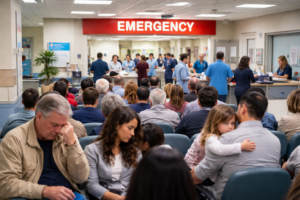
Florida’s hospitals face one of their busiest periods every year during the winter months, with March being the peak. As the state attracts thousands of tourists seeking refuge from colder climates, the influx of patients from out-of-state adds pressure to an already overwhelmed healthcare system. At the same time, Florida residents are also battling common seasonal illnesses such as the flu, which leads to a further rise in ER visits.
ER crowding is a well-known phenomenon, but in March, it reaches a level that can severely impact patient care. Emergency rooms, typically designed to handle a certain volume of patients, are often filled beyond capacity during this time. As the demand for treatment exceeds the hospital’s resources, it becomes more difficult for staff to provide timely care for all individuals.
How ER Overcrowding Leads to Missed Diagnoses
When emergency departments are crowded, healthcare professionals are often forced to prioritize cases based on severity. Unfortunately, this means that patients with less obvious or less critical symptoms can be overlooked or seen too late. In these high-pressure situations, doctors and nurses may be forced to make quick decisions without the time they need to fully assess each patient.
Elizabeth H. Faiella
Elizabeth has represented plaintiffs in numerous jury trials since 1976. A member of the exclusive Inner Circle of Advocates, Elizabeth is a legal powerhouse who has been given numerous awards and honors--and she's not done yet.
Learn More
Peter J. "Tres" Gulden, III
The son of a doctor and an attorney, Peter has a unique and in-depth understanding of all the complicated medical and legal issues involved in a malpractice claim. He has won many 7-figure verdicts for clients since joining his mother's firm in 2004.
Learn More
Allison C. McMillen
Allison C. McMillen is proud to be a second-generation plaintiffs’ attorney representing victims of medical malpractice, having practiced with her father, attorney Scott R. McMillen, for over a decade before joining the team at Faiella & Gulden, P.A.
Learn More- Rushed Consultations: Healthcare providers may be under pressure to see as many patients as possible, often leading to rushed consultations. This reduces the time available for a comprehensive examination, which may result in missed or delayed diagnoses.
- Lack of Detailed History: When time is limited, healthcare providers may not be able to gather a thorough patient history. Incomplete medical histories increase the likelihood of overlooking important symptoms that could lead to a missed diagnosis.
- Overlooking Subtle Symptoms: Some conditions present with subtle or non-specific symptoms that require careful attention to detail. In a crowded ER, these can easily be overlooked, as healthcare providers may be focused on more urgent cases.
The Unique Challenges for Tourists and Locals in March
Florida’s ERs not only face the pressure of overcrowding from residents but also from the seasonal influx of tourists. During March, the state sees an uptick in visitors for spring break and other travel holidays. Many tourists, unfamiliar with Florida’s healthcare system, may wait until conditions worsen before seeking care. Once they arrive at the hospital, they are often met with long wait times, making it even more difficult to receive the necessary attention. For local residents, the situation isn’t much better. Hospitals and urgent care centers that typically handle a high volume of cases throughout the year find themselves unable to adequately meet the increased demand during peak seasons. This contributes to further delays in care and worsens the overall quality of treatment that patients receive.
"One of the BEST law firms in the country. Elizabeth Faiella and her team are true professionals. I’ve had the opportunity to work with them and never hesitate to recommend them to anyone needing a personal injury or medical malpractice law firm."
Shannon McLin
I have observed and worked with Faiella & Gulden as a registered nurse for over 25 years. Their legal & medical knowledge is unprecedented. They're dedicated, compassionate and goes to any length to obtain justice for each client.
Connie Ashley
Delays in Diagnosis: A Life-Threatening Problem
A delay in diagnosis during an emergency situation can have life-threatening consequences. For some conditions, early detection is critical in preventing long-term complications, disabilities, or even death. For example, with conditions such as heart attacks or strokes, time is of the essence. If diagnosed too late, irreversible damage can occur. In these cases, delayed care can lead to permanent damage to organs such as the heart or brain, which could have been avoided with timely intervention. Furthermore, for patients with complex medical histories, a missed diagnosis can be even more dangerous. If doctors fail to take into account a patient’s pre-existing conditions or medications due to a rushed consultation, it can result in a misdiagnosis, unnecessary treatments, or missed opportunities for early intervention. Missed diagnoses are not just a medical issue; they have significant financial and emotional consequences. For patients who suffer from complications as a result of delayed care, the costs of treatment, rehabilitation, and potential long-term care can be overwhelming. This puts an additional burden on families and the healthcare system.Addressing the Issue: Solutions for ER Crowding in Florida
While ER crowding is a significant problem, it is not without solutions. Florida hospitals and healthcare systems need to take a multi-faceted approach to reduce the strain on emergency rooms during peak times. Below are some potential strategies to improve patient care and reduce the impact of overcrowding:- Increase Staffing During Peak Times: Hospitals should plan for the increased patient volume by ensuring that there are enough healthcare providers, such as doctors, nurses, and support staff, available during the busiest months. Temporary staffing increases or flexible shifts could be implemented to meet the demand.
- Expand Telehealth and Urgent Care Centers: Encouraging patients with non-urgent conditions to visit urgent care centers or use telehealth services could significantly reduce the burden on ERs. Telehealth services allow patients to receive care for common issues without the need to visit a hospital in person.
- Improve Patient Education: Public health campaigns aimed at educating patients on when to seek care at an ER versus when they can visit an urgent care center or schedule an appointment with their primary care doctor could help alleviate crowding. Proper education about the use of ER services can reduce unnecessary visits and help focus resources on those in need of immediate care.
- Better Resource Allocation: Hospitals can improve their efficiency by implementing better resource allocation systems. This can include prioritizing patients based on the severity of their condition and streamlining the process to ensure that the most urgent cases are addressed first.
- Implement Patient Flow Management Systems: Many hospitals have adopted patient flow management systems to improve the efficiency of emergency care. These systems help track patient wait times, predict staffing needs, and allocate resources more effectively.