

















The Impact of Holiday Travel on Florida’s Emergency Rooms 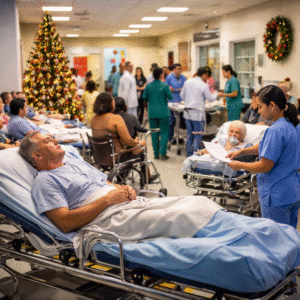
Florida sees some of the highest numbers of tourists during the holiday season. With families traveling to the state for vacations or to visit relatives, the healthcare system faces an intense increase in demand. Popular destinations like theme parks, beaches, and resorts all contribute to the massive influx of visitors. Unfortunately, emergency rooms are not designed to accommodate such a surge in patients, often leading to overcrowding and delays in care.
The state’s ERs struggle to manage this influx, especially when the patients arriving are in dire need of immediate medical attention. Emergency rooms are built to prioritize those with the most critical needs, but when there are too many people seeking care, it becomes more challenging to provide timely treatment for everyone. This can result in dangerous wait times for individuals who require urgent intervention, such as those suffering from heart attacks, strokes, or traumatic injuries.
How ER Overcrowding Can Affect Patient Outcomes
When emergency rooms become overcrowded, the quality of care suffers. The primary issue is the delay in treatment. Medical professionals are often forced to triage patients, attending to the most urgent cases first. While this is necessary to save lives, it means that individuals with less critical conditions may wait for extended periods before receiving care. But what happens when someone has a serious medical condition that requires immediate treatment, but their symptoms aren’t considered life-threatening at first glance? Patients with conditions like abdominal pain, chest discomfort, or even respiratory issues may be delayed in receiving necessary interventions. These delays can worsen their condition, leading to complications, longer hospital stays, or, in the worst cases, death. One of the significant risks that comes with delayed ER care is the worsening of chronic conditions. A patient suffering from a severe asthma attack, for example, could be left to wait for long hours as other patients with more visible injuries are treated first. During this wait, the asthma attack could worsen, leading to respiratory failure and a need for more intensive care.Holiday ER Crowding and Delayed Care: A Risk for Vulnerable Populations
Certain groups of people are more vulnerable to the effects of delayed medical care. Elderly individuals, young children, and those with chronic health conditions face heightened risks when treatment is delayed. For example, elderly patients with conditions such as diabetes or heart disease are more likely to experience complications from even minor delays in medical care. Similarly, children who suffer injuries or experience illnesses such as infections or dehydration may face greater risks during long waits. Children’s immune systems and bodies are often more sensitive to infections and can deteriorate more quickly if medical care is delayed.
Elizabeth H. Faiella
Elizabeth has represented plaintiffs in numerous jury trials since 1976. A member of the exclusive Inner Circle of Advocates, Elizabeth is a legal powerhouse who has been given numerous awards and honors--and she's not done yet.
Learn More
Peter J. "Tres" Gulden, III
The son of a doctor and an attorney, Peter has a unique and in-depth understanding of all the complicated medical and legal issues involved in a malpractice claim. He has won many 7-figure verdicts for clients since joining his mother's firm in 2004.
Learn More
Allison C. McMillen
Allison C. McMillen is proud to be a second-generation plaintiffs’ attorney representing victims of medical malpractice, having practiced with her father, attorney Scott R. McMillen, for over a decade before joining the team at Faiella & Gulden, P.A.
Learn MoreHow Florida’s Health System Handles the Surge in Patients
Florida’s healthcare providers, including emergency rooms, are under constant pressure during the holiday season. Emergency care facilities and hospitals do their best to accommodate patients, but the sheer number of visitors and residents needing care can overwhelm their resources. Additionally, many healthcare workers take time off during the holidays, which reduces staffing levels and further exacerbates the situation. Hospitals are working to find creative solutions to manage this seasonal surge in patients. For example, some hospitals have implemented strategies to increase efficiency, such as expanded triage systems, better management of patient flow, and better communication between departments. These measures can help speed up care for certain patients, but they are not always enough to prevent delays when the ER is overcrowded.What You Can Do to Avoid Delays in Emergency Care
If you are planning to visit Florida during the holidays or are already living there, it’s important to be aware of the potential for ER delays and how to best navigate them. While emergency rooms are essential for life-threatening conditions, there are steps you can take to minimize the risk of unnecessary visits. For non-life-threatening conditions, urgent care centers and walk-in clinics can be a more efficient and less crowded option for receiving care. If you do need to visit the ER, it’s essential to have a clear understanding of when to seek emergency care and when to wait for a less urgent treatment option. For instance, if you have chest pain, difficulty breathing, or signs of a stroke, you should immediately go to the ER. However, if your condition is not immediately life-threatening, you may want to consider seeking care at an urgent care center instead. Urgent care centers can handle less critical situations, and they are less likely to be overcrowded during peak times.
"One of the BEST law firms in the country. Elizabeth Faiella and her team are true professionals. I’ve had the opportunity to work with them and never hesitate to recommend them to anyone needing a personal injury or medical malpractice law firm."
Shannon McLin
I have observed and worked with Faiella & Gulden as a registered nurse for over 25 years. Their legal & medical knowledge is unprecedented. They're dedicated, compassionate and goes to any length to obtain justice for each client.