Thanksgiving Anaphylaxis Mishandled: Legal Options After ER Failure to Treat Severe Reactions
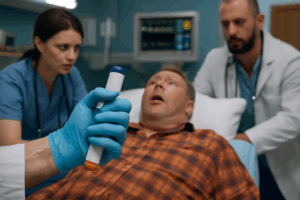
Thanksgiving is a time of gathering, sharing meals, and making memories. However, for people with food allergies, this holiday can quickly become life-threatening, especially if a severe allergic reaction such as anaphylaxis occurs. Anaphylaxis, which can be triggered by common Thanksgiving allergens like nuts, shellfish, or dairy, requires immediate and effective treatment. When the emergency room (ER) mishandles this situation, failing to properly administer treatment, it can result in serious injury or death. Understanding your legal options when ER staff fail to treat anaphylaxis is crucial for victims seeking justice.
The Critical Nature of Anaphylaxis
Anaphylaxis is a medical emergency that requires immediate intervention. For those with food allergies, even small amounts of certain allergens can cause a rapid onset of symptoms that include swelling, difficulty breathing, a drop in blood pressure, and, in extreme cases, loss of consciousness or death. The treatment for anaphylaxis is straightforward: the injection of epinephrine (adrenaline) to reverse the allergic reaction. This treatment needs to be administered quickly to prevent severe consequences.For those with known food allergies, the Thanksgiving holiday can present additional risks. Foods like turkey, stuffing, and pumpkin pie can contain hidden allergens, making it easier for someone to unintentionally ingest a trigger. When anaphylaxis strikes during a gathering, it’s vital that the affected individual receive immediate medical attention. However, what happens when the ER mishandles the situation?
What Happens in the ER During Anaphylaxis Treatment?
Emergency rooms are equipped to handle severe allergic reactions, but in some cases, staff can fail to act swiftly or properly. The typical treatment for anaphylaxis involves:
Epinephrine (adrenaline): The first-line treatment, usually administered through an injection.
Oxygen therapy: Administered if the patient has difficulty breathing.
Intravenous (IV) fluids: Used to stabilize blood pressure.
Monitoring: To ensure that the patient does not experience a second wave of the reaction.
In some cases, though, ER staff may delay the administration of epinephrine, fail to monitor the patient properly, or even administer the wrong medication. When these mistakes occur, the patient’s health is jeopardized. A delayed response or misstep in treatment can escalate the severity of the anaphylactic reaction and lead to permanent damage or death.
Failure to Treat Anaphylaxis: A Medical Malpractice Case
When an emergency room mishandles the treatment of anaphylaxis, the affected individual may have grounds for a medical malpractice claim. Medical malpractice occurs when a healthcare provider fails to meet the standard of care expected in their field, leading to harm. In the case of anaphylaxis, some of the critical aspects of malpractice include:
Failure to diagnose: In some instances, the severity of the reaction may not be immediately recognized, leading to a delay in treatment.
Failure to administer epinephrine: Epinephrine is the most effective treatment for anaphylaxis, and failure to administer it in a timely manner can have catastrophic consequences.
Negligence in monitoring: After the initial treatment, patients must be closely monitored to ensure the reaction does not return. Neglecting this can lead to a second, often more dangerous wave of symptoms.
Failure to follow standard procedures: ER staff must follow established protocols for treating anaphylaxis, which include recognizing the signs, administering epinephrine, and providing supportive care. If they fail to follow these protocols, they may be liable for malpractice.
The Legal Process for Medical Malpractice
If you or a loved one has been harmed due to an ER’s mishandling of anaphylaxis treatment, you may be entitled to compensation. The legal process for pursuing a medical malpractice claim typically includes the following steps:
Consult with an attorney: The first step in pursuing a medical malpractice case is to consult with an attorney who specializes in this area of law. They will evaluate your case to determine whether there was negligence on the part of the healthcare provider.
Gathering evidence: To prove that malpractice occurred, your attorney will gather medical records, witness statements, and expert testimony from medical professionals to demonstrate that the standard of care was not met.
Filing a lawsuit: If there is enough evidence to support your case, your attorney will file a lawsuit against the responsible parties. This could include the hospital, the doctors or nurses involved, and other healthcare providers who contributed to the mishandling of the anaphylactic reaction.
Negotiation and settlement: Many medical malpractice cases are settled out of court. Your attorney will negotiate with the insurance company representing the hospital or healthcare provider to secure a fair settlement.
Trial: If a settlement cannot be reached, your case may go to trial, where a judge or jury will decide the outcome.
Damages Available in a Medical Malpractice Case
If you win your medical malpractice case, you may be entitled to several types of damages, including:
Economic damages: These cover actual financial losses such as medical bills, lost wages, and the cost of ongoing care.
Non-economic damages: These cover pain and suffering, emotional distress, and the loss of enjoyment of life.
Punitive damages: In cases of gross negligence or intentional harm, punitive damages may be awarded to punish the wrongdoers and deter future misconduct.
When Should You Pursue Legal Action?
If you or someone you love was a victim of anaphylaxis mishandling at the ER, the best course of action is to consult with a medical malpractice attorney as soon as possible. Time is of the essence, as there are strict statutes of limitations for filing medical malpractice claims, particularly in cases involving personal injury or wrongful death.It’s important to note that not every medical mistake rises to the level of malpractice. An experienced attorney can help you determine whether the actions of the ER staff constituted negligence and whether you have a valid case.
Faiella & Gulden, P.A. Can Help You Navigate Your Case
At Faiella & Gulden, P.A., we understand how devastating it can be to experience the mishandling of an anaphylactic reaction. If you or a loved one suffered due to the failure of an emergency room to properly treat anaphylaxis, our team is here to help. Our experienced medical malpractice attorneys have a deep understanding of the complexities of healthcare law and are committed to holding negligent medical providers accountable.We offer free consultations to evaluate your case and explain your legal rights. Contact Faiella & Gulden, P.A. today to get the legal representation you deserve and fight for the compensation you need to recover.If you’ve been affected by ER malpractice involving anaphylaxis mishandling, don’t wait—reach out to Faiella & Gulden, P.A. for expert legal help. We will help you seek justice and compensation for the harm caused.