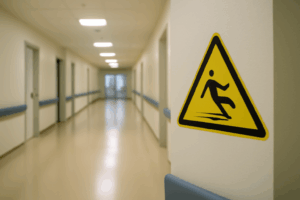
Hospital Falls from Skipped Fall-Risk Protocols: Holding Florida Facilities Accountable
Hospital falls are one of the most common incidents that occur within healthcare settings, and unfortunately, they often lead to severe injury or even death. These types of accidents are not only traumatic for patients but also reflect a breach of duty on the part of healthcare facilities. Falls that happen due to ignored or insufficient fall-risk protocols should never occur. In Florida, where many medical malpractice cases arise, these incidents can be the basis for legal action. In this post, we will examine the importance of fall-risk protocols in hospitals, the consequences of skipping them, and how Florida law can be used to hold hospitals accountable for such incidents. We’ll also take a look at the preventive measures hospitals can implement to avoid these tragic accidents.
What Are Fall-Risk Protocols and Why Do They Matter?
Falls are a major cause of injury in hospitals, especially among elderly patients and those with pre-existing medical conditions. The Centers for Disease Control and Prevention (CDC) estimates that one in four adults over the age of 65 falls every year. Among hospitalized patients, the risk of falling is significantly increased due to factors such as unfamiliar environments, medication side effects, mobility issues, and lack of assistance. To reduce this risk, hospitals must implement comprehensive fall-risk protocols, which are sets of guidelines designed to assess and mitigate the risk of falls for each patient.These protocols generally include a multi-step process, which begins when a patient is admitted to the hospital and continues throughout their stay. The first step in the protocol involves assessing each patient’s risk of falling, which can be determined by considering a range of factors such as:
Mobility and Physical Strength: Hospitals assess how well patients can move on their own, whether they can stand, walk, or perform basic activities like sitting up in bed.
Cognitive Function: Mental state plays a crucial role in a patient’s ability to recognize hazards and follow instructions. Cognitive impairments can increase the risk of falls.
Medications: Certain medications, such as sedatives, painkillers, or those used to treat high blood pressure, can lead to dizziness, confusion, or a loss of coordination, increasing the risk of a fall.
Previous Fall History: Patients who have fallen before are at a higher risk of falling again, so this is a critical component in assessing their needs.
Once a patient’s risk level is determined, hospitals take action to mitigate that risk. These steps may include measures such as placing fall-risk patients in rooms near nursing stations, installing bed alarms that alert staff when patients try to get up, or using non-slip footwear for patients with mobility issues. The healthcare team may also provide more frequent monitoring and assistance with daily tasks, such as getting in and out of bed or using the restroom.
The Devastating Impact of Skipping Fall-Risk Protocols
When fall-risk protocols are skipped or inadequately followed, the consequences for patients can be severe. Falls in hospitals often result in physical injuries such as broken bones, head trauma, internal bleeding, or soft tissue damage. These injuries can be especially devastating for elderly patients, who may suffer a long recovery process or permanent loss of mobility.
Common injuries caused by hospital falls include:
Fractures: One of the most common injuries from a hospital fall is bone fractures. Elderly patients are particularly vulnerable to hip fractures, which often require surgery and lead to a prolonged recovery process. In some cases, these fractures can lead to long-term complications, including permanent disability.
Head Injuries: Falls can cause traumatic brain injuries (TBI), which can lead to permanent cognitive impairment, memory loss, or even death. This is especially dangerous for elderly patients, who may not recover fully from such injuries.
Internal Injuries: A fall can also cause internal bleeding, which may not be immediately apparent but can be life-threatening if left untreated.
Psychological Harm: The trauma of falling in a hospital setting can also have psychological consequences. Patients may experience anxiety, depression, or a fear of falling again, which can impede their recovery process and affect their quality of life.
The emotional toll on patients and their families cannot be overstated. The pain of dealing with a preventable injury, the frustration of recovery, and the emotional stress it places on family members can have lasting effects. Moreover, hospital falls can sometimes lead to death, particularly when patients have weakened immune systems, fragile bones, or other underlying health conditions.
Legal Recourse for Victims of Hospital Falls in Florida
In Florida, patients who are injured in hospitals due to the negligence of the facility or its staff may have the right to pursue a medical malpractice claim. If fall-risk protocols were skipped or inadequately followed, and the patient was harmed as a result, the hospital may be held liable for the injury.
Legal requirements to pursue a medical malpractice lawsuit include proving the following:
Breach of Duty: The healthcare facility had a duty to follow established fall-risk protocols but failed to do so. This could include neglecting to conduct a proper fall-risk assessment or failing to implement necessary precautions.
Causation: There must be evidence that the hospital’s failure to follow fall-risk protocols directly caused the patient’s fall and the resulting injury.
Damages: The patient must have suffered harm as a result of the fall, such as physical injury, emotional distress, or financial loss (such as medical bills or lost wages).
Florida law also allows for punitive damages in cases of gross negligence, which may apply if the hospital’s actions were particularly egregious. For example, if a hospital ignored clear signs that a patient was at high risk for falling, or if they failed to act despite repeated warnings, the court may award punitive damages to punish the hospital and deter future negligence.
Steps Florida Hospitals Can Take to Prevent Falls and Legal Consequences
Hospitals in Florida can avoid the legal and financial consequences of hospital falls by adhering to best practices and following proven fall-prevention strategies. These strategies not only reduce the risk of falls but also improve patient care and enhance overall safety within the hospital environment.
Regular Risk Assessments: Florida hospitals should conduct comprehensive fall-risk assessments for every patient upon admission. These assessments should be updated regularly to account for changes in a patient’s condition.
Staff Training: Hospital staff must be properly trained to identify fall risks and respond effectively. This includes training on how to assist patients with mobility, how to monitor high-risk patients, and how to create a safe environment in patient rooms.
Use of Fall-Prevention Equipment: Hospitals should ensure that appropriate fall-prevention equipment, such as bed alarms, fall mats, and non-slip socks, is readily available and used as needed. Additionally, staff should be trained on how to use these devices effectively.
Creating a Fall-Prevention Culture: A hospital-wide focus on patient safety is essential for preventing falls. This involves leadership support, clear communication among staff, and fostering an environment where fall prevention is a top priority at all levels of care.
Involving Families: Families should be educated on fall risks and encouraged to be involved in their loved one’s care. This might include reminding staff about the patient’s specific fall risks or helping with mobility when appropriate.
Regular Audits and Protocol Updates: Hospitals should periodically review and update their fall-risk protocols to incorporate the latest research, best practices, and patient safety guidelines. Regular audits can help identify gaps in care and areas for improvement.
Why Accountability Matters in Florida
Holding hospitals accountable for negligence is essential not only for justice but also for ensuring that patient safety remains a priority. Florida has laws in place that allow victims of hospital falls to seek compensation for the injuries they have sustained. Through medical malpractice claims, patients can secure financial relief for medical costs, lost wages, and pain and suffering. Additionally, these legal actions often prompt hospitals to re-evaluate their practices, which can lead to safer environments for future patients.Hospital falls due to skipped fall-risk protocols are a preventable tragedy that can have lasting consequences for patients. In Florida, victims of these preventable falls have the right to pursue legal action to hold negligent hospitals accountable. Hospitals must prioritize patient safety, implement comprehensive fall-risk protocols, and invest in ongoing staff training to prevent these incidents. If you or a loved one has suffered from a hospital fall, it’s important to consult Faiella & Gulden, P.A. to explore your legal options and seek the compensation you deserve.